

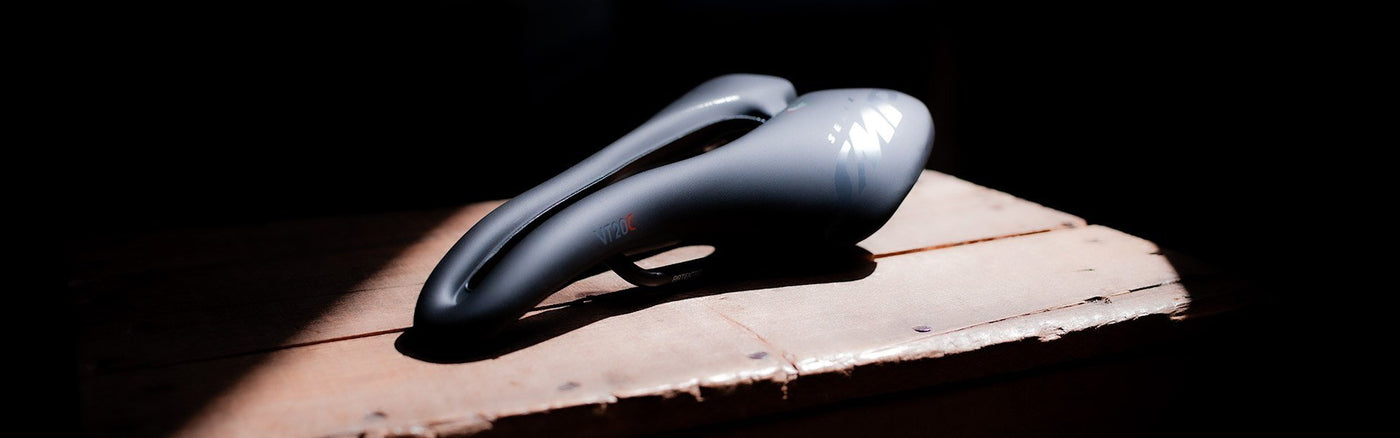


 Women's


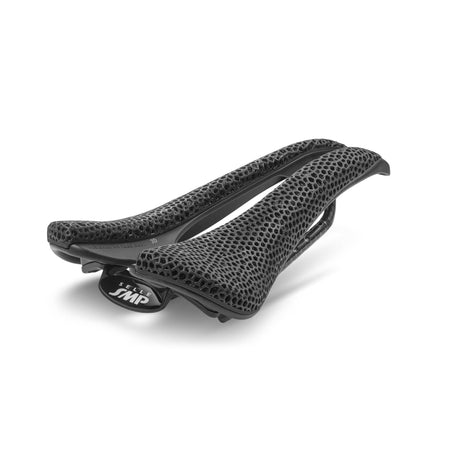


 Women's


Join our email list and be the first to know about new limited edition products, special promotions, and more!

From a Brooklyn storefront to flagships in Walnut Creek and Miami, from handwritten mail orders to a fully digital custom bike builder — RA Cycles has spent half a century doing one thing: serving riders who demand the best. That half-century belongs as much to you as it does to us. The riders who kept coming back, who sent their friends, who trusted us with bikes that matter — you're the reason we're still here. Here's to the next fifty.
Learn MoreStay on top of the latest bike technology, industry news and cycling events!